Hiddenfield makes puzzle games with actual stories
Story-driven puzzle games
A dark room with stuff scattered around: a map with marks on it, a nearly empty coffee mug, an old photo propped against the wall, all lit from the side so everything casts long shadows

Games that actualyl reward paying attention

The story happens in the environment. Every object, every shadow—it all counts.

What makes a puzzle feel good when you solve it? Understanding what it was actually for.

We make mobile mysteries where the narrative doesn't live in dialogue. It's in how objects are placed, how the light changes, what you hear. No long-winded explanations. No tutorials holding your hand. You get a world to look at, puzzles to work through, lore you have to piece together yourself.

Players who engage with branching narratives in games like Oxenfree and Escape Academy stay with them longer when environmental storytelling is woven in properly. The trick is finding that balance: exploration that feels genuinely open, puzzle difficulty that doesn't feel arbitrary, and a Story that actually unfolds based on what you do, not what some cutscene decides to show you.

How narrative puzzle games actually work

The mechanics that keep players coming back.

01

Environmental narrative design

Story clues hide in object placement, lighting angles, audio cues. A photograph face-down on a desk. A shadow that shouldn't be there. A voice that changes between two conversations. The world tells you what happened—you just have to look.

02

Time-gated puzzle progression

Mobile mystery games do significantly better with retention when exploration balances out the waiting periods. You solve a puzzle, then pause. That breathing room matters. It lets players think, theorize, sit with uncertainty.

03

Branching narrative through choice

Player choices change which secrets become accessible. Find a key, one path opens. Miss it, discover something else instead. The story fractures and reforms based on where you look, what you pick up, what you ignore.

04

Logical puzzle construction

A fair puzzle hides the answer but leaves breadcrumbs. You can retrace your steps and see where you missed it. That satisfaction—when the solution clicks because it had to, not because the game demanded it—that's the core.

05

Atmospheric coherence

Mood comes from specificity, not ambient reverb. If this is an abandoned office, the calendar still shows the last date someone checked it. The coffee's still there. That detail—that rigor—makes it feel real.

06

Lore excavation, not exposition

No dialogue dumps. No quest logs explaining the backstory. You find a reucrring symbol, connect it to something else you found earlier, realize what it means. That discovery feels earned because you did the work.

07

Mobile-first, story-first design

Built for phone screens. Designed for moments—spend half an hour in one room, full attention. Pause and return later. The narrative stays with you.

Spaces that have something to say

These aren't just backdrops. They're designed to reward paying attention. Every environment has details if you know where to look—the way sunlight cuts through a room, what's been moved or deliberately left alone, the things someone went out of their way to hide.

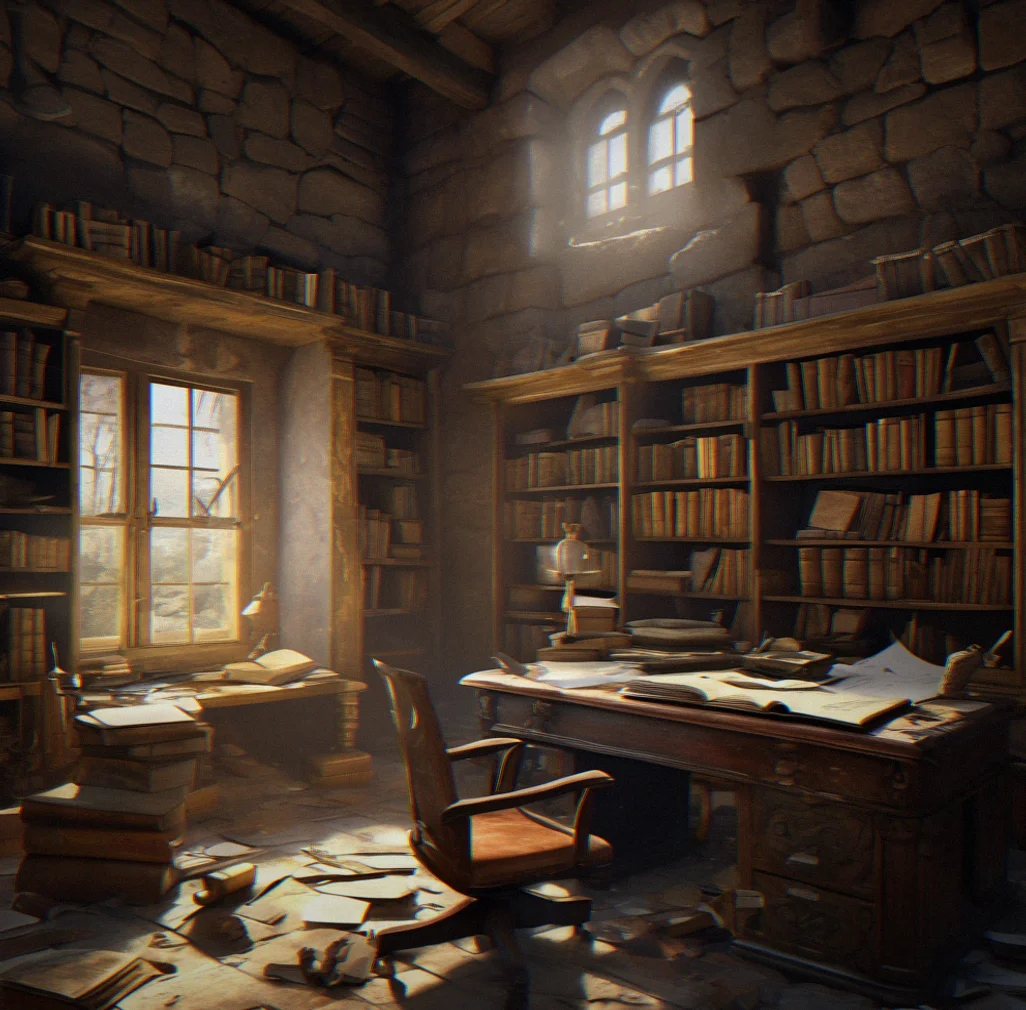
An abandoned study with tall bookshelves lining the walls, a desk cluttered with scattered papers and an inkwell, a single chair turned away from the desk, and dust particles visible in the shaft of light from a single window
Left in a hurry, or left to be forgotten.
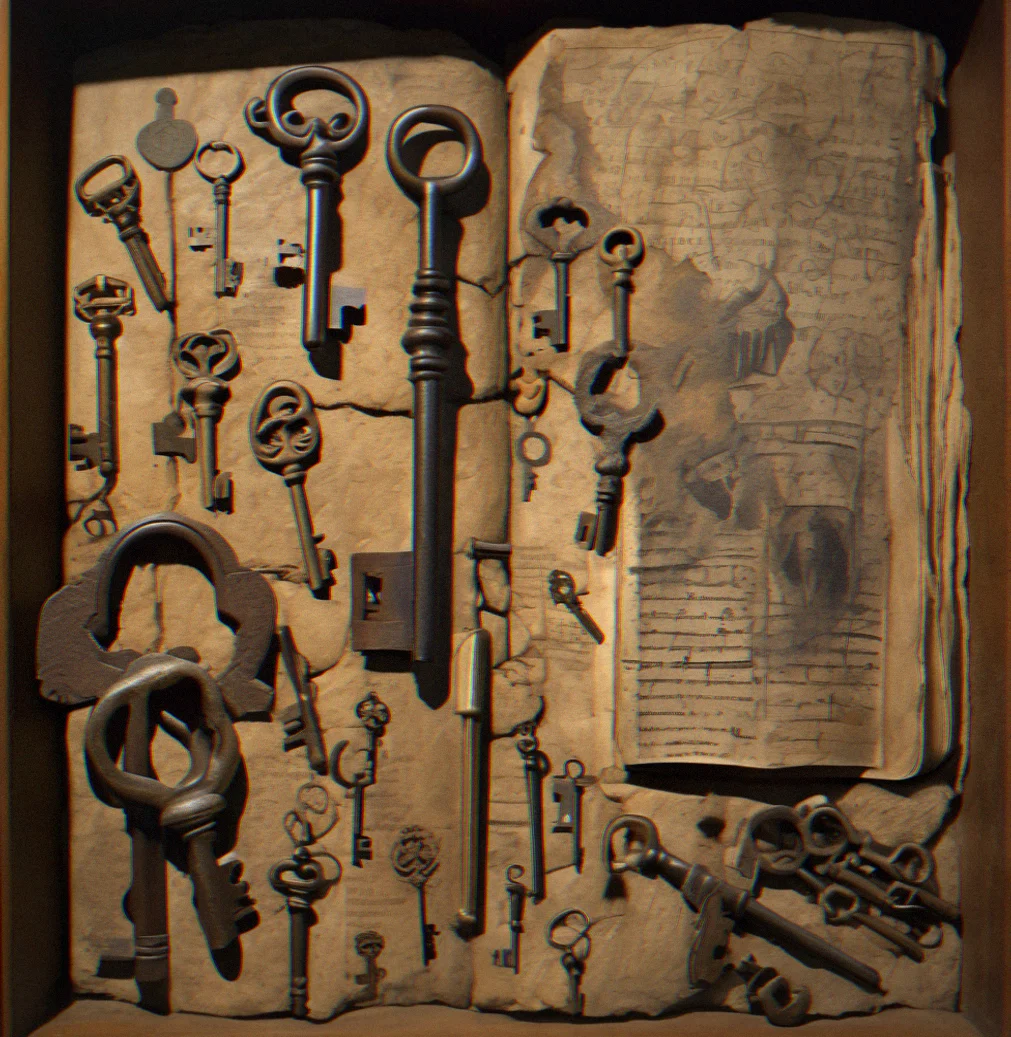
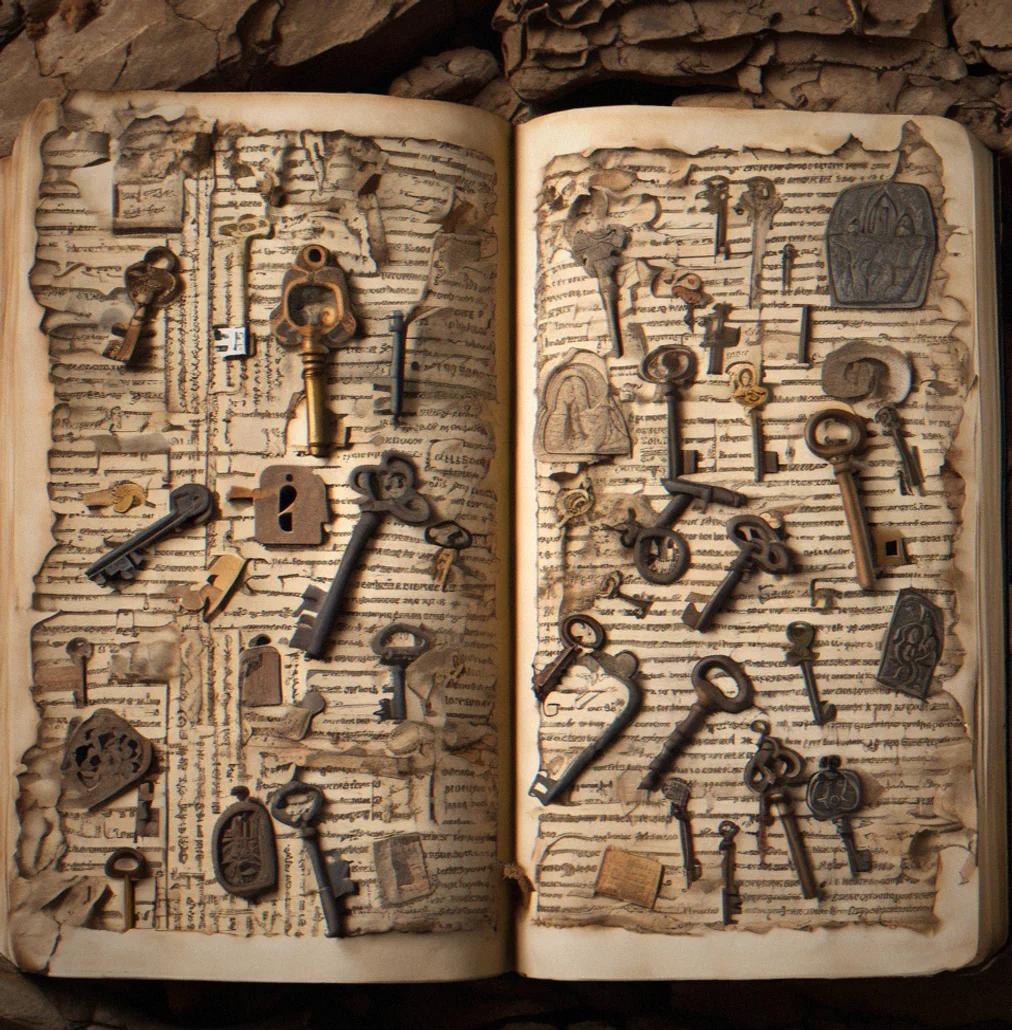
A locked wooden box with an ornate brass lock mechanism partially disassembled, surrounded by various keys of different sizes and ages, one key glowing faintly under nearby candlelight
The small things tell you everything.
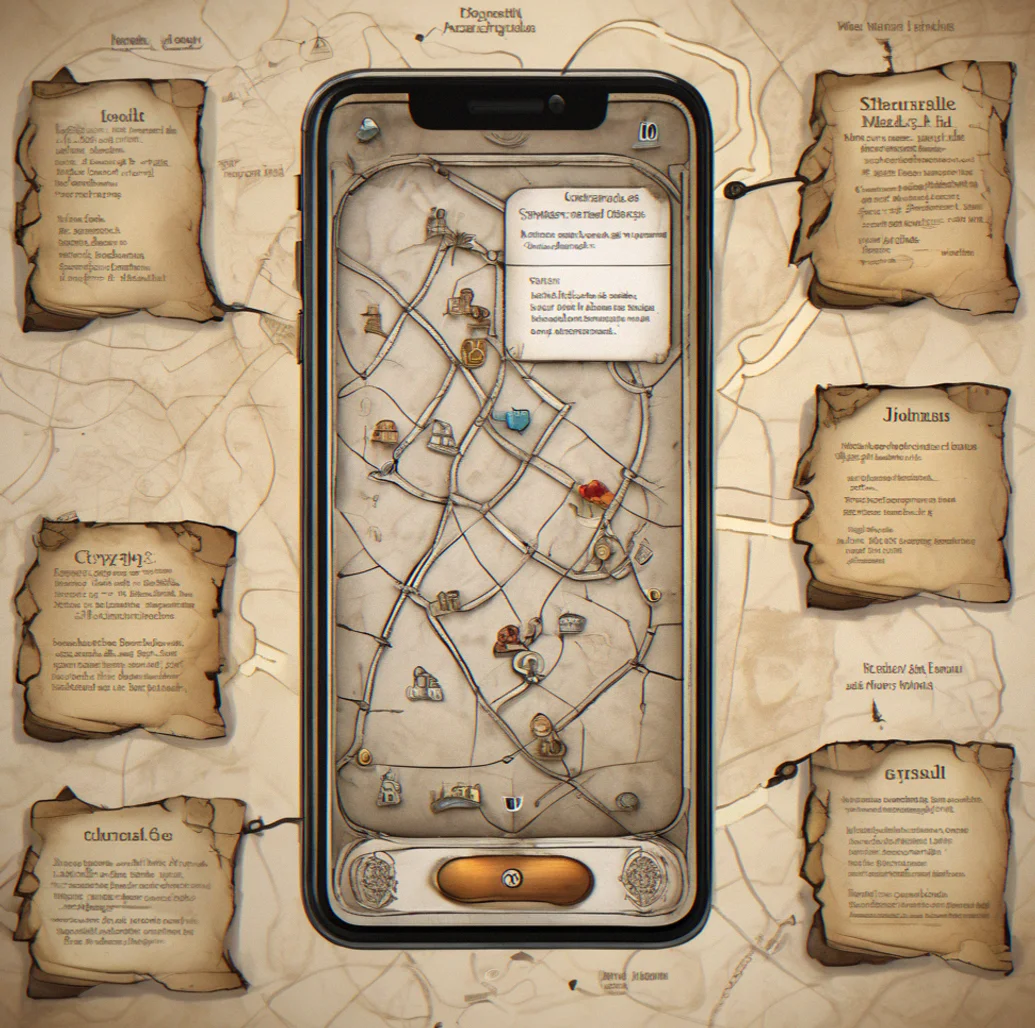
A mobile phone screen shownig a branching map interface with multiple pathways highlighted in different colors, one path greyed out and marked with a lock icon, revealing how player choices determine accessible routes
What you decide to do changes what becomes possible.
Wooden desk with an open journal, fountain pen on the page, half-burned candle throwing shadows across papers scattered around
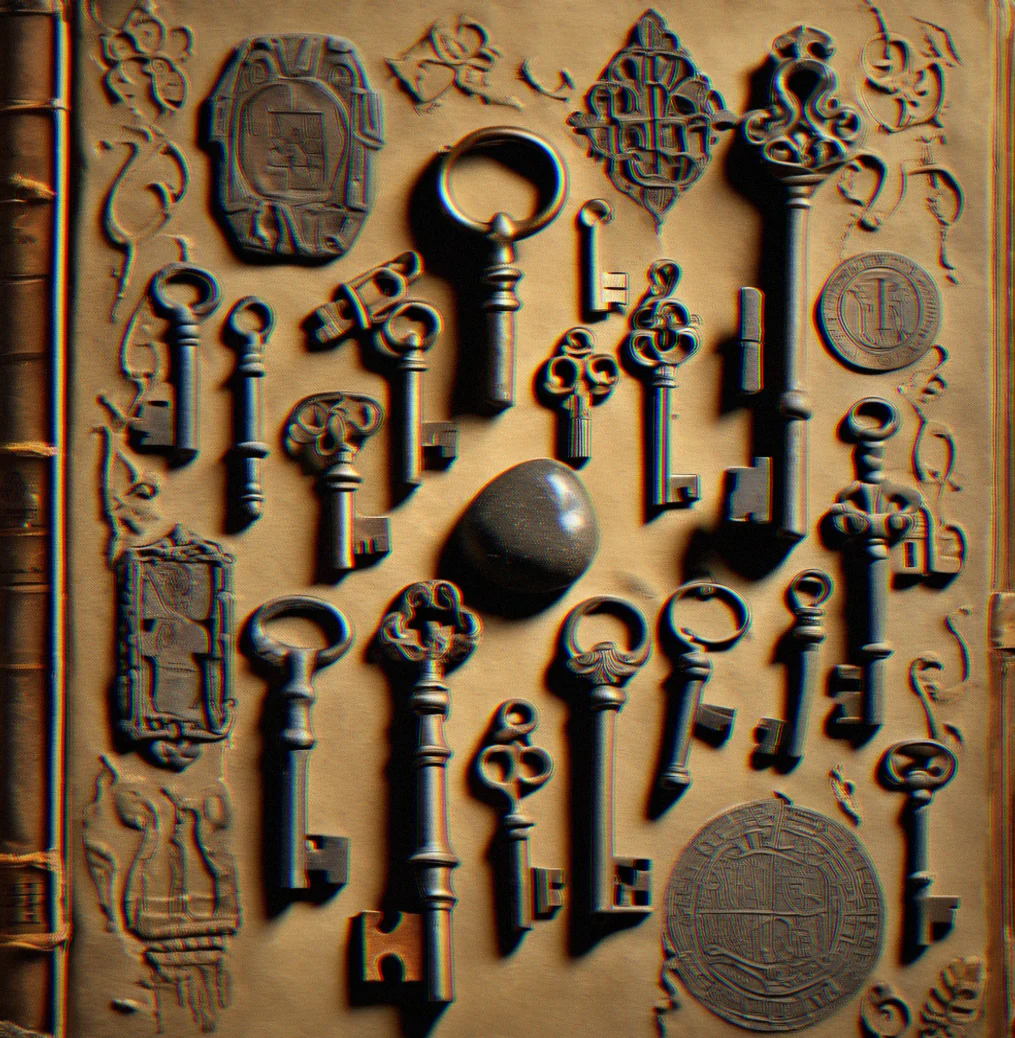
Three old metal keys laying on aged parchment, each one casting its own shadow under warm light
Locked wooden box with brass hinges, keyhole hidden in the corner, puzzle pieces scattered nearby
Bookshelves with leather books, their spines worn and faded, one pulled out and tilted forward
Old rotary phone on a side table next to a notepad with faded numbers and a question mark scribbled down
Painting on the wall hanging crooked, safe visible behind it, dust marks showing where it usually sits straight
Photos on a dresser, one face-down, another showing two people with one figure lost in shadow
Handwritten map on yellow paper with symbols scattered across it, compass rose in the corner, one spot circled over and over
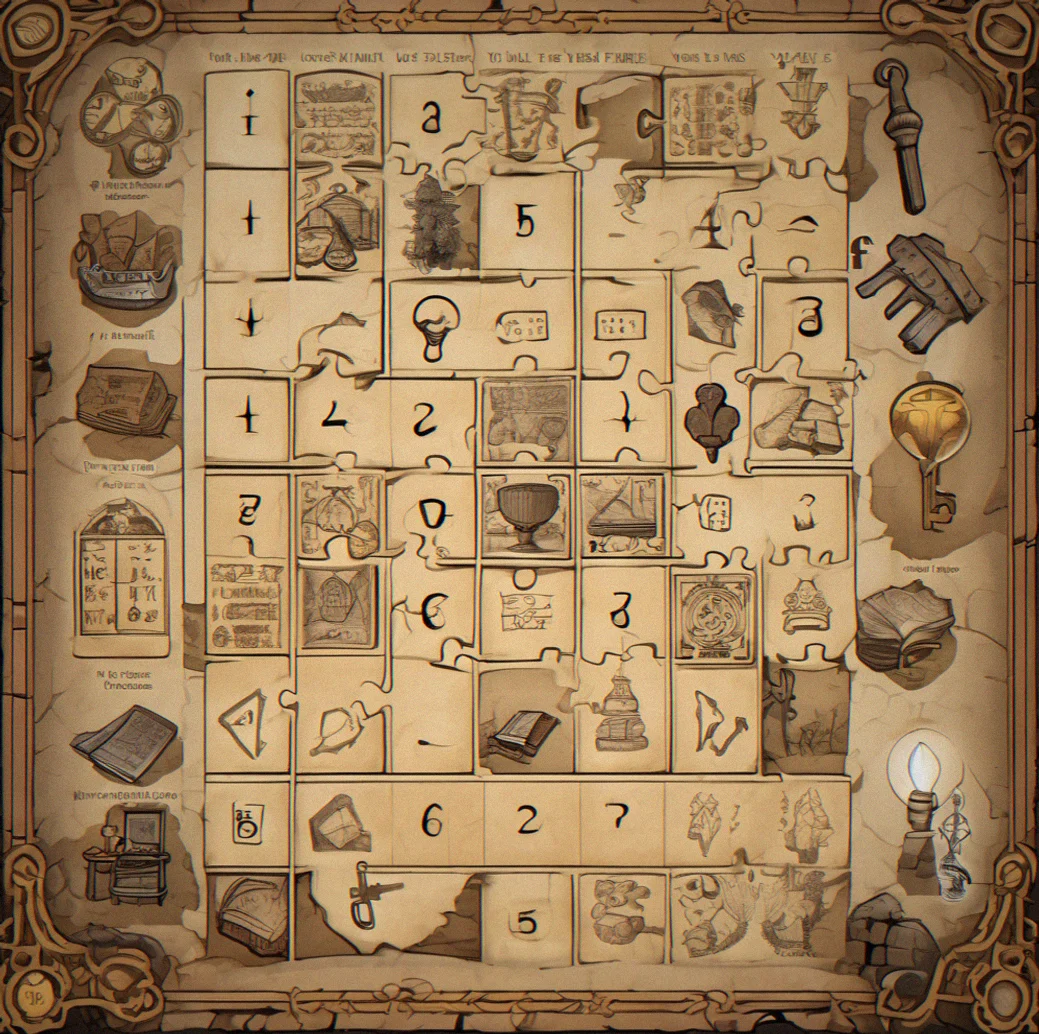
Mobile game screen showing a puzzle grid with symbols, one piece glowing slightly to show you're making progress
Dark corner with an old clock stopped at a certain time, torn calensar page missing, scratch marks on the wall

Discovered Fragments

TOTAL SLIDES: 9

Old desk with an open ledger, ink bottle uncapped, quill sitting mid-sentence with the last word cut off

Old desk with an open ledger, ink bottle uncapped, quill sitting mid-sentence with the last word cut off

Brass keys lined up smallest to largest on burlap, each one throwing a shadow. One's darker than the rest, oxidized

Brass keys lined up smallest to largest on burlap, each one throwing a shadow. One's darker than the rest, oxidized

Glass-front cabinet mounted on the wall, shelves holding a music box, compass and envelope sealed with wax

Glass-front cabinet mounted on the wall, shelves holding a music box, compass and envelope sealed with wax

Hallway with doors lining both sides. One's cracked open with light pouring through. Another's painted shut, the paint still fresh

Hallway with doors lining both sides. One's cracked open with light pouring through. Another's painted shut, the paint still fresh

Notebook pages open with sketches, crossed-out math, scribbles in multiple different hands crowding the margins

Notebook pages open with sketches, crossed-out math, scribbles in multiple different hands crowding the margins

Mantel clock frozen at 3:47, photos scattered around it haphazardly. One's face down. Another's turned like someone just moved it

Mantel clock frozen at 3:47, photos scattered around it haphazardly. One's face down. Another's turned like someone just moved it

Phone screen displaying a puzzle lock where symbols light up when you solve them, with faint lines showing different paths branching out from the center

Phone screen displaying a puzzle lock where symbols light up when you solve them, with faint lines showing different paths branching out from the center

Hand-drawn map on old paper, terrain marked up, a route sketched in faded pencil, destination circled but the name worn away

Hand-drawn map on old paper, terrain marked up, a route sketched in faded pencil, destination circled but the name worn away

Dark corner of a room, one window throwing sharp light across the wooden floor, dust floating visible in the beam

Dark corner of a room, one window throwing sharp light across the wooden floor, dust floating visible in the beam

1 / 9
Questions

What people actually want to know

These games aren't for everyone. If you're chasing fast action or constant dopamine hits, you'll probably bounce off. But if you can spend 20 minutes with a single puzzle or find yourself thinking about a story moment days later, this is your thing.

Not when they're built properly. The data on mobile mystery games is pretty clear—players stick around longer when the pause is for thinking, not punishment. You crack something open, and the next puzzle sits there for a few hours or overnight. That's when your brain actually keeps chewing on it in the background. It's nothing like energy systems designed just to squeeze money out of you.

You won't get locked out. The narratives branch, so missing something in one run means you stumble onto something else instead. Skip the key hidden under the table, and maybe you find a note that changes what happens later. The story adapts.

Somewhere between 4 and 8 hours of real playtime, but stretched over weeks or months depending on how the pacing works and how long you want to sit in each location. It's not a weekend grind, and it's definitely not something you knock out on a lunch break.

Most of them do fine on phones and tablets from the last several years. You don't need the newest hardware—the challemge comes from the writing and the puzzle logic, not from rendering a bunch of fancy graphics. Still worth checking the individual game requirements though.

Real consequences. Gamds like Oxenfree and Escape Academy actually lock you out of dialogue trees or whole areas based on what you picked up or who you talked to. You can't see everything in a single playthrough, which is kind of the whole reason people go back and play again.

Design principles

Why retention jumps 40% when pacing actually works

Branching narrative gates

What you do decides which story paths open up. Same game, but different things stay hidden depending on your choices.

Environmental clue placement

Story details live in whsre objects sit, how light changes, what sounds play. Not someone explaining it to you.

Logical puzzle fairness

Puzzles work because the clue was already there. Players get that satisfied feeling, not confused anger.

Time-gated progression

Gaps between solutions let players think it through. That pause actually measurably keeps people around longer.

Mobile-first pacing

Built for 30-minute bursts on your phone. Stop whenever. The story sits with you across days.